What Does a Nursing Home Really Cost Per Month in 2026? (And Smart Alternatives)
Let’s talk about something most of us avoid thinking about: long-term care costs. But here’s the thing—planning ahead is actually empowering, not scary.
The average monthly cost of a nursing home in 2026 is $9,945 for a shared room. That’s $11,294 if you want a private room. Meanwhile, most Americans have about $87,000 saved for retirement and receive around $58,680 annually from Social Security and other sources.
Why does this matter? Because understanding these numbers now gives you the power to make choices—not scramble for options later.
The Real Numbers Behind Nursing Home Cost Per Month 2026
Here’s what you need to know about current pricing.
Monthly nursing home costs break down like this:
- Shared room: $9,167 to $9,945 per month
- Private room: $10,083 to $11,250 per month
- Typical stay: 2 to 3 years
Now, before you start doing the math and panicking, stay with me. There’s a reason I’m sharing these numbers, and it’s not to frighten you—it’s to show you why planning ahead opens up better options.
Interestingly, where you live makes a huge difference. In Texas, for example, you might pay around $5,125 monthly for a shared room. In Alaska? That same room could run you $27,500 per month. That’s a massive difference, purely based on geography.
How Did We Get Here?
Just eight years ago, in 2016, the average monthly cost of a nursing home was $6,844. Today it’s $9,945—a 45% increase. Unfortunately, there’s no sign of this trend slowing down. In fact, experts project that these costs will exceed $10,000 per month by 2028.
What You’re Actually Getting for $10,000 a Month
Before we dive deeper, let’s be clear about what nursing home care includes—and what it doesn’t.
Here’s what your monthly payment covers:
- Round-the-clock medical care and supervision
- Three meals daily plus snacks
- Medication management
- Housekeeping and laundry services
- Scheduled group activities
Sounds comprehensive, right? However, there’s another side to consider.
The trade-offs many people don’t expect:
- Sharing 200-300 square feet with a roommate (for standard rooms)
- Following set schedules for meals, activities, and even sleep
- Limited space for personal belongings
- Restricted visiting hours in many facilities
- Most places don’t allow pets
- Less control over daily choices and routines
For context, the average American home is 2,000 square feet. That means you’re trading your entire living space, your independence, and your familiar surroundings for a room smaller than most bedrooms.
Let’s Talk About Your Retirement Reality
Now, this is where it gets personal—and important.
The typical retiree today has these resources:
- Monthly income: $4,890 (about $58,680 annually)
- Social Security: $2,071 per month (source: Social Security Administration)
- Total savings: $87,000 median (source: Federal Reserve)
So what happens if nursing home care becomes necessary?
With the average nursing home cost per month in 2026 sitting at $9,945, there’s a gap of roughly $5,055 between monthly income and monthly costs. That means dipping into savings every single month—about $60,660 per year.
At that rate, the typical American’s $87,000 in savings would last about 1.4 years. Not even enough to cover the average 2.5-year stay.
And here’s what really concerns me: 64% of retirees say America is facing a retirement savings crisis. They’re not wrong. Furthermore, 92% believe most people underestimate how much money they’ll actually need. When you look at these nursing home monthly cost figures, it’s easy to see why.
Why Most People Want to Stay Home (And Who Can Blame Them?)
Research consistently shows that more than 75% of Americans over 50 want to age in their own homes. When you think about it, the reasons are pretty obvious.
Staying home means:
- Waking up in your own bed, on your schedule
- Keeping your beloved pet by your side
- Cooking your favorite meals whenever you want
- Spending time in your garden or favorite chair
- Welcoming grandchildren for spontaneous visits
- Staying connected to your neighbors and community
- Maintaining the routines you’ve built over decades
- Being surrounded by your memories and treasures
In contrast, nursing home living typically means:
- Early wake-up calls (often 5:30-6:30 AM)
- Set meal times with limited menu choices
- Shared spaces and scheduled activities
- Distance from your familiar neighborhood
- Restrictions on personal items and decorating
Neither option is “wrong”—they’re just very different. Moreover, nursing homes serve an important purpose for people who need intensive medical care. The key is understanding what you’re choosing and when.
The Medicare Surprise Nobody Talks About
Here’s something that catches many families off guard: Medicare covers short-term skilled nursing care—but only up to 100 days, and only under specific conditions.
Long-term custodial care? That’s not covered. Consequently, that means:
- Using your retirement savings to cover costs
- Eventually, qualifying for Medicaid once savings are depleted
- Having less control over facility choice and care options
This is exactly why understanding the 2026 nursing home cost-per-month rates matters so much. You need to plan for the reality, not the assumption that “insurance will cover it.”
Here’s the Empowering Part
Now for some genuinely good news: there’s a better, more affordable path that most people don’t know about.
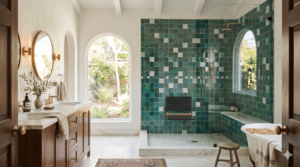
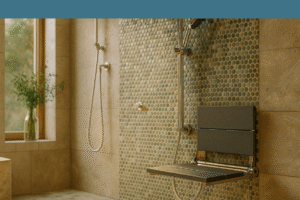
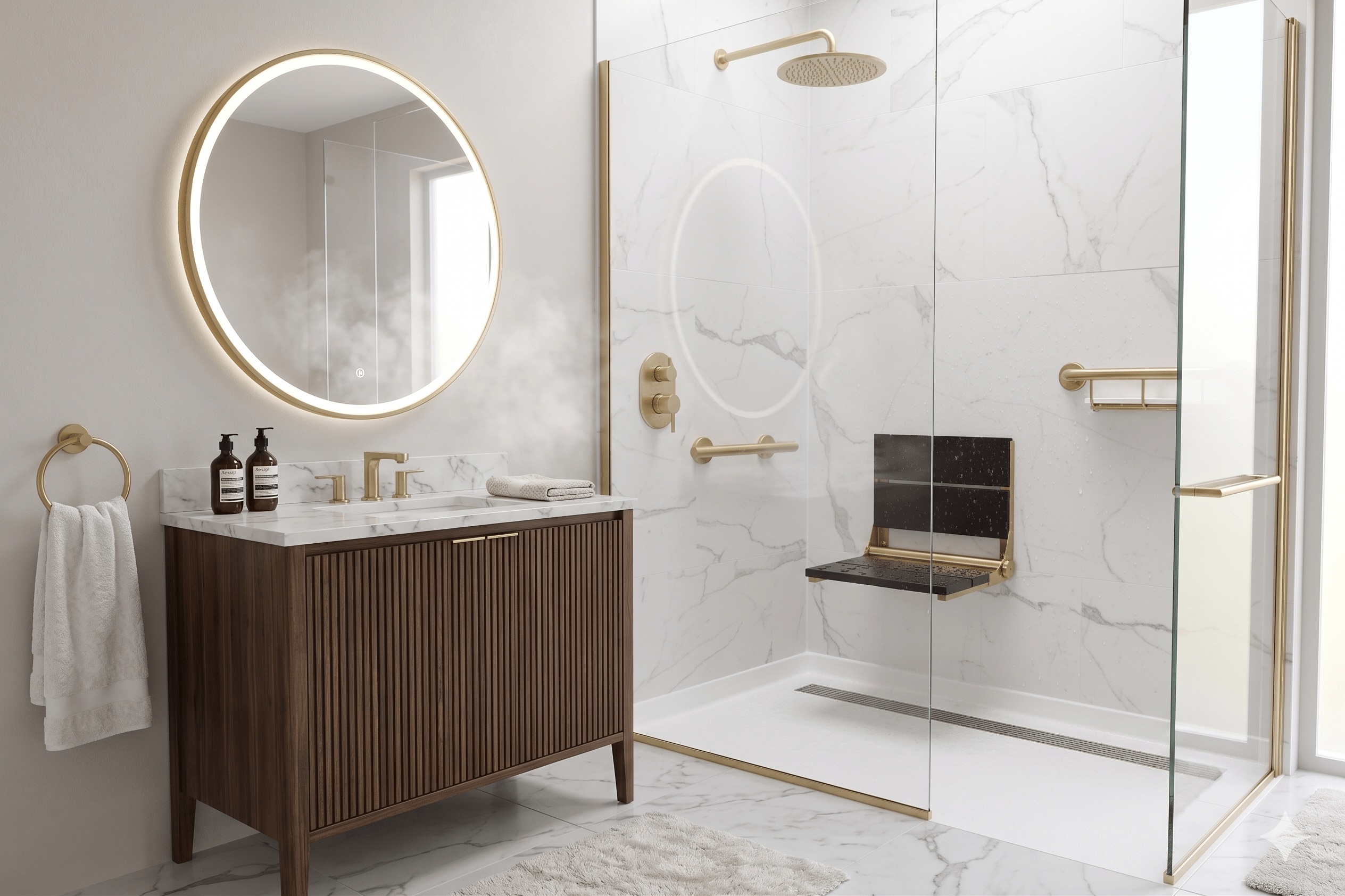
It’s called aging in place, and it could cost you as little as $3,000 to $15,000 in one-time home modifications. That’s less than two months of nursing home costs—yet these home safety improvements could help you stay independent for years or even decades.
Think about that for a moment. Instead of spending nearly $10,000 per month, you could invest $15,000 once and preserve your independence, savings, and lifestyle.
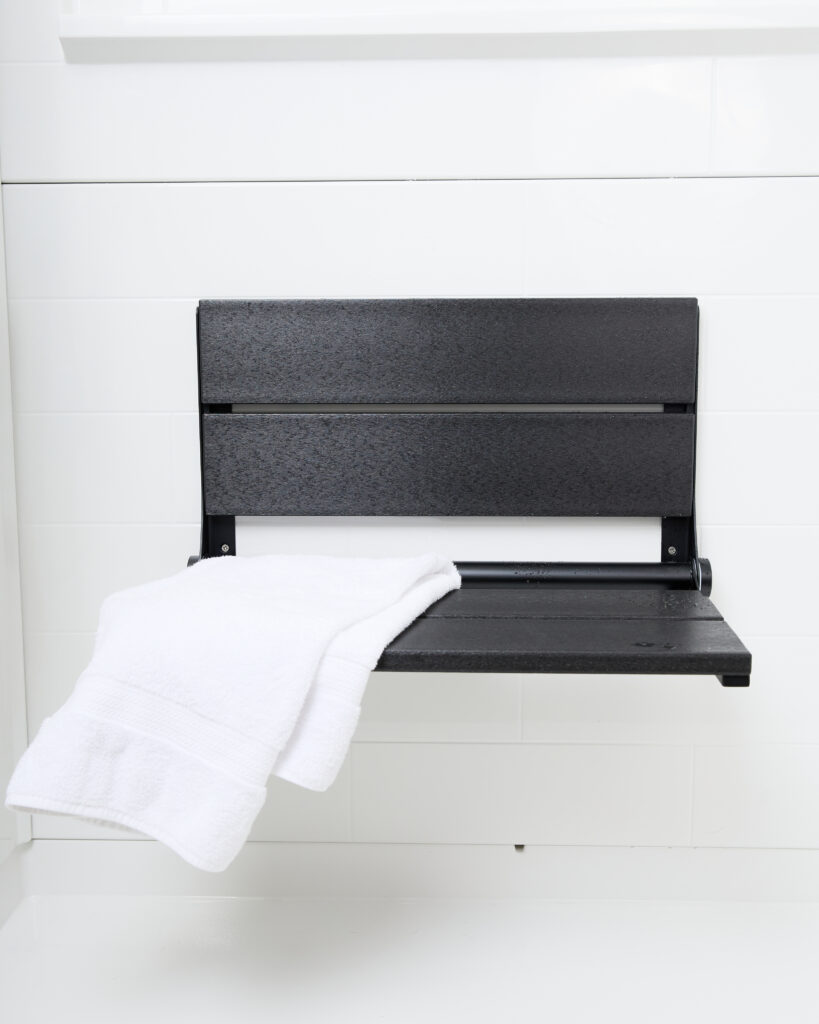
Items like grab bars, non-slip flooring, and bathroom safety equipment aren’t expensive. In fact, you can start with basic modifications for under $500. Yet these simple changes can make the difference between aging at home and being forced into a facility during a crisis.
When Planning Ahead Makes All the Difference
The best decisions are made calmly, with time to consider options. When you plan ahead, you have:
- First, more choices available to explore
- Additionally, time to shop around and compare costs
- Moreover, the ability to avoid rushed decisions during stressful moments
- Most importantly, control over your future
On the other hand, crisis decisions—made from a hospital bed or during an emergency—rarely work out as well. They’re expensive, stressful, and often result in choices you wouldn’t have made otherwise.
This isn’t about being pessimistic. Rather, it’s about being prepared. Think of it like having insurance: you hope you never need it, but you’re grateful it’s there.
Questions Worth Asking Yourself Now
Take a moment to consider these important points:
- First, where do I truly want to spend my retirement years?
- Additionally, how important is it to stay in my home and community?
- Beyond location, what would my daily life actually look like in different settings?
- Most critically, am I planning proactively or waiting to react during a crisis?
Be honest with yourself. There’s no judgment here—just information to help you make the right choice for your situation.
The Smart Path Forward
Remember that statistic about 75% of people wanting to age at home? Well, here’s the difference between wanting it and achieving it: planning.
In Part 2 of this guide, we’ll explore exactly how home modifications can:
✅ Cost 90% less than one year of nursing home expenses
✅ Maintain your independence in familiar surroundings
✅ Preserve your savings for things that matter to you
✅ Keep you connected to neighbors, friends, and family
✅ Give you control over your schedule and lifestyle
Continue to Part 2: Simple Home Changes That Protect Your Independence →
The choice is yours to make. Let’s explore how to protect your independence and plan for the future you actually want.
Ready to start preparing? Browse our aging in place products, including grab bars, bathroom safety equipment, and home accessibility solutions.