

The $15,000 Solution That Could Save You $300,000 in Nursing Home Costs
← Back to Part 1: Understanding Nursing Home Costs
In Part 1, we looked at the sobering reality: nursing homes averaged $9,945 per month in 2026. For most Americans with $87,000 in retirement savings, that math simply doesn’t work.
But here’s the exciting part—there’s a proven alternative that costs a fraction of institutional care, preserves your independence, and could save you hundreds of thousands of dollars.
Welcome to the world of aging-in-place home modifications.
What “Aging in Place” Actually Means
Simply put, it means making your home safe and comfortable so you can live independently for as long as possible. And no, this doesn’t mean turning your beautiful home into a sterile hospital room.
Modern aging-in-place home modifications are smart, affordable, and often invisible to guests. We’re talking about strategic changes that protect your safety without sacrificing your home’s character.
Here’s what these modifications typically cost:
Basic safety upgrades: $3,000-$15,000
These cover the essentials, such as grab bars, shower seats, better lighting, non-slip flooring, and easy-to-use door handles. Think of this as your foundation—the changes that make the biggest safety impact for the least investment.
Mid-level improvements: $5,000-$10,000
This range includes walk-in showers, wheelchair ramps, and stair lifts. These are for more specific needs but are still incredibly affordable compared to care facilities.
Comprehensive modifications: $20,000-$50,000
This is for extensive renovations such as full bathroom remodels, widening doorways, or adding a first-floor bedroom suite. Still far less than even a few months of nursing home care.
Now, let’s be real for a moment. Even if you invested $50,000 in comprehensive aging-in-place home modifications—which most people never need—you’re spending less than half of what one single year in a nursing home would cost.
Moreover, here’s the crucial difference: that’s a one-time investment that serves you for decades, not a monthly bill that continues year after year.
The Math That Changes Everything
Let’s compare apples to apples using real 2026 numbers.
Scenario A: Nursing Home
- Monthly cost: $9,945
- Annual cost: $119,340
- 2.5-year average stay: $298,350
- Your savings remaining: $0
- Your home: Sold or sitting empty
- Your independence: Gone
Scenario B: Aging in Place
- One-time investment: $15,000 (comprehensive basic modifications)
- Monthly ongoing costs: Regular living expenses you already have
- Years of benefit: 10, 20, even 30+ years
- Your savings remaining: $87,000 (plus growth)
- Your home: Still yours, increasing in value
- Your independence: Protected
That’s a difference of $283,350 in the first 2.5 years alone. Consequently, when you factor in preserved home equity, continued investment returns on savings, and avoided emotional costs, the real savings easily exceed half a million dollars over a typical retirement.
What Independence at Home Actually Looks Like
Beyond the money—and this is important—think about what aging in place home modifications preserve:
Your mornings start when you wake naturally, not at 5:30 AM facility schedule
Your bathroom is yours alone, not shared with a stranger
Your kitchen serves meals you choose, at times you prefer
Your garden is still there for morning coffee and evening relaxation
Your grandkids can visit spontaneously, not during “visiting hours.”
Your pet stays by your side (most facilities don’t allow pets)
Your belongings surround you—photos, furniture, a lifetime of memories
Your neighborhood keeps you connected to friends you’ve known for years
These aren’t small things. In fact, for many people, they’re everything.
Start Small: Bathroom Safety That Makes a Big Difference
The bathroom is where most falls happen, so smart modifications matter most here. The good news? You can dramatically improve bathroom safety for less than most people think.
Essential bathroom upgrades from Health at Home:
Grab Bars ($118-$170)
Strategically placed grab bars near the toilet and in the shower provide crucial support. The Bilanx Designer Collection offers grab bars with integrated corner shelves starting at $118—combining safety and functionality in stylish finishes such as polished chrome, brushed nickel, bronze, matte black, and brushed gold.
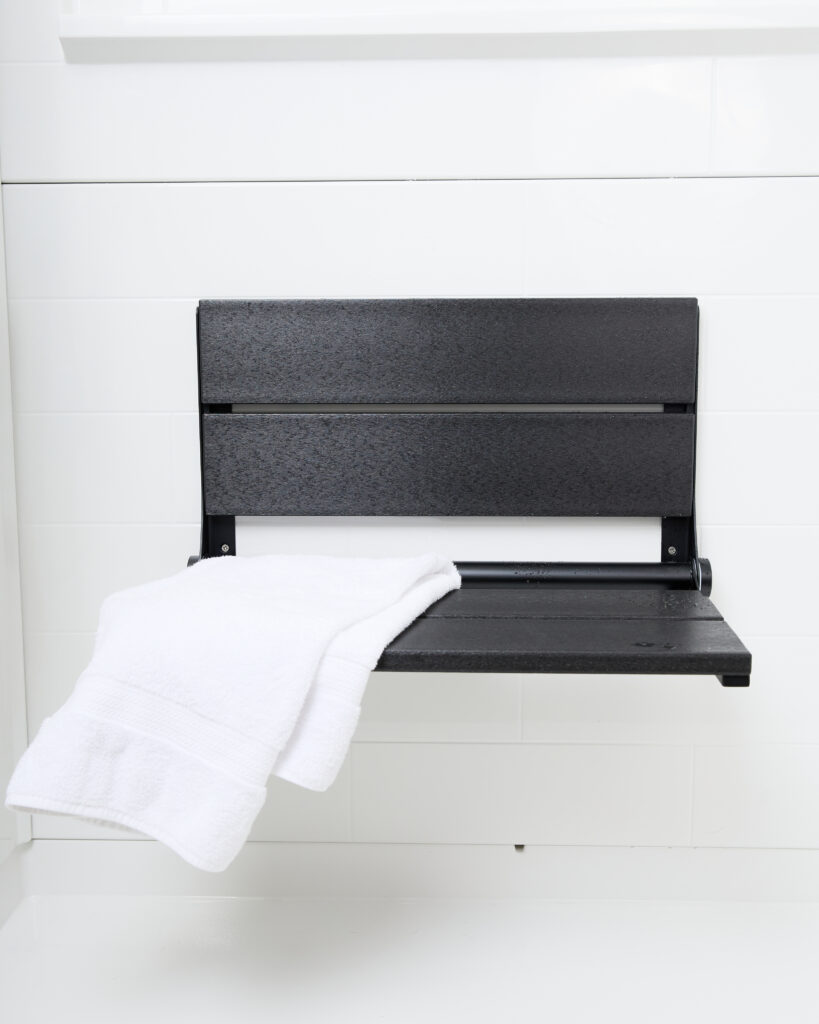
Shower Seats ($89-$1,724)
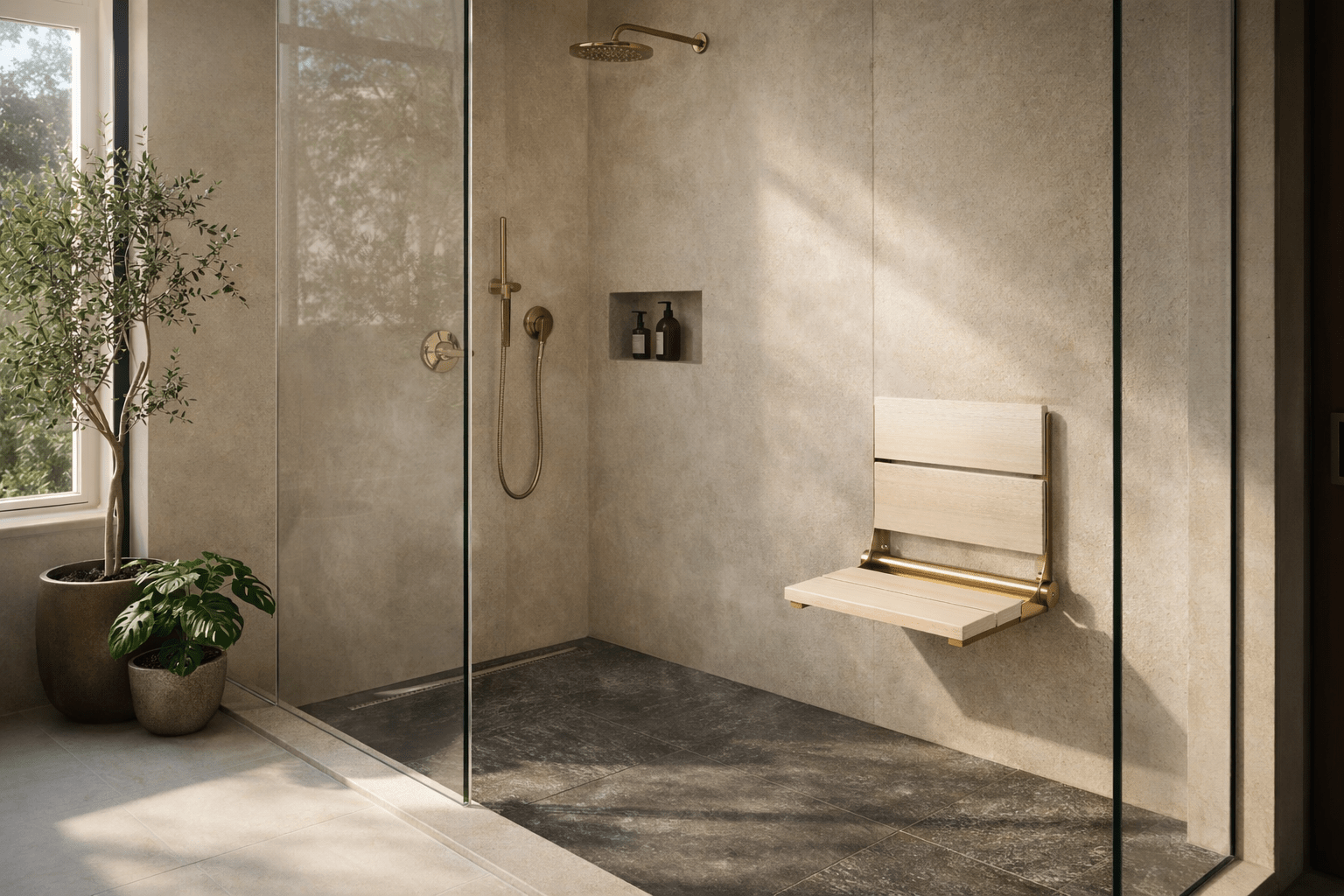
A shower seat transforms your bathing experience from risky to relaxing. Health at Home’s Bilanx shower seats start at just $89 and are available in 18 color choices with 5 different frame finishes—so you can match your bathroom’s style. These seats support up to 500 lbs and are made with durable HDPE (High-Density Polyethylene) and stainless-steel frames.
For those needing extra support, healthcare shower seats with backs and arms provide added stability. The 18″ padded healthcare shower seat ($567) features adjustable legs, removable gray pads, and supports 400 lbs when properly installed.
Additional bathroom safety essentials:
- Non-slip bath mats: $10-$20
- Improved LED lighting: $30-$100
- Lever-style faucet handles: $40-$80
- Handheld showerhead: $25-$75
Total basic bathroom safety upgrade: Under $500 (grab bars + basic shower seat + non-slip mat + lighting)
Beyond the Bathroom: Room-by-Room Safety Checklist
Walk through your home and honestly assess each space:
Bathroom (where most falls happen):
- ☐ Grab bars near the toilet and in the shower? If not, add them.
- ☐ Shower seat for safe bathing? Essential for stability.
- ☐ Non-slip mat in tub or shower? Critical, not optional.
- ☐ Good lighting, especially at night? This one’s huge.
- ☐ Clutter-free floor? Remove anything that could trip you.
Bedroom:
- ☐ Clear path to bathroom? No furniture to navigate around.
- ☐ Nightlight or motion-activated light? So you’re not walking in darkness.
- ☐ Sturdy, comfortable bed height? Should be easy to get in and out.
- ☐ Phone within reach? Important for emergencies.
Kitchen:
- ☐ Frequently used items at easy-to-reach heights? No climbing required.
- ☐ Good lighting over counters and stove? Prevents accidents.
- ☐ Stable step stool if needed? Better than stretching or climbing.
- ☐ Clear floor space? No rugs that could cause you to slip or trip.
Throughout your home:
- ☐ Removed loose rugs and cords? These are fall hazards.
- ☐ Handrails on both sides of the stairs? Not just one side—both.
- ☐ Excellent lighting everywhere? Don’t underestimate this.
- ☐ Clear walking paths? Declutter for safety and peace of mind.
Take your time with this checklist. Walk through slowly, imagining yourself navigating each space during different times of day. What would make it safer?
Your 90-Day Home Transformation Plan
Feeling overwhelmed? Don’t be. Break it down into manageable steps.
Month 1: Assess and Plan
- First week: Complete the room-by-room checklist above
- Second week: Get three quotes from contractors for bigger projects
- Third week: Research financing options and create your budget
- Fourth week: Prioritize—what’s most urgent vs. what can wait?
Month 2: Quick Wins
- Week one: Order and install grab bars and a shower seat from Health at Home
- Week two: Replace doorknobs with lever handles and improve lighting
- Week three: Add non-slip surfaces to bathrooms and high-traffic areas
- Week four: Remove tripping hazards and rearrange furniture for clear paths
Month 3: The Bigger Projects
- Week one to two: Complete professional installations (walk-in shower, ramps, etc.)
- Week three: Test everything thoroughly—does it work for you?
- Week four: Make final adjustments and celebrate your independence!
The beauty of this timeline? You can adjust it to match your budget and needs. Furthermore, you can start with Month 2’s quick wins right away if you’re not ready for bigger investments yet.
Real Product Examples: What You Can Get for Your Budget
Let’s talk specific products and real prices from Health at Home:
Under $200 bathroom safety package:
- Bilanx shower seat: $89-$118 (depending on finish)
- Basic grab bar: $50-$75 (when purchased separately)
- Non-slip mat: $15
- LED nightlight: $20
- Total: Approximately $175-$230
Mid-range bathroom transformation ($500-$1,000):
- Bilanx designer shower seat with back: $146-$272
- Corner shelf with grab bar: $118-$170
- Additional straight grab bars: $50-$100 each
- Improved lighting: $100
- Non-slip flooring: $150-$200
- Total: Approximately $564-$842
Comprehensive bathroom accessibility ($1,500-$2,500):
- Healthcare shower seat with back and arms: $567
- Multiple grab bars strategically placed: $300-$400
- Walk-in shower conversion: $800-$1,200 (materials and basic labor)
- Improved lighting and ventilation: $200
- Non-slip flooring throughout: $300-$400
- Total: Approximately $2,167-$2,767
Compare any of these to one month of nursing home costs ($9,945), and the value becomes crystal clear.
Help Paying for Aging in Place Home Modifications
Here’s something many people don’t know: you might not have to pay for everything yourself.
Government programs that may help:
- Medicaid home modification waivers (varies by state)
- VA home improvement grants (for veterans)
- State aging-in-place programs (check your local Area Agency on Aging)
- Community Development Block Grants
Smart financing strategies:
- Home equity loan or line of credit (often with the lowest interest rates)
- Reverse mortgage (for homeowners 62+)
- HSA withdrawals (aging in place home modifications often qualify)
- Payment plans directly with contractors
Tax benefits you might qualify for:
- Medical expense deductions (modifications count!)
- Energy-efficient upgrade credits
- State-specific senior home modification incentives
Pro tip: Call your local Area Agency on Aging first. They offer free consultations and can tell you about programs specific to your area. This one call could save you thousands.
Real Questions from Real People
“What if I need medical care at home?”
Great question! Fortunately, Medicare Part A covers many home health services—nurses, physical therapists, and medical care can come to you. For 24/7 care needs, in-home care still costs less than nursing facilities, plus you’re in your own home.
“My house has stairs—isn’t that a problem?”
Not necessarily. Stair lifts cost $2,500-$8,000 installed. That equals about three weeks of nursing home costs. Alternatively, converting a first-floor room to a bedroom runs $5,000-$15,000. Both are smart long-term investments.
“Won’t grab bars and shower seats make my bathroom look institutional?”
Absolutely not! Health at Home’s Bilanx Designer Collection offers beautiful finishes, including polished chrome, brushed nickel, oil-rubbed bronze, matte black, and brushed gold. Shower seats come in 18 colors to match any décor. Modern accessibility products look spa-like, not clinical.
“What if I fall and nobody knows?”
Medical alert systems solve this perfectly. They cost just $25-$50 per month, less than three hours of nursing home care. Modern systems are discreet, reliable, and provide enormous peace of mind for both you and your family.
“Can I really install some of this myself?”
Yes! Installing grab bars (with proper stud mounting), improving lighting, and changing door handles are all DIY-friendly projects. However, for bigger projects like bathroom remodeling or electrical work, definitely hire licensed professionals. Know your limits and work within them.
Why Professional Installation Matters for Critical Safety Items
While many modifications are DIY-friendly, grab bars and shower seats require proper installation to ensure safety.
Critical installation requirements:
- Grab bars must be mounted to wall studs or blocking—not just drywall
- Proper mounting hardware must support the weight rating (usually 250-500 lbs)
- Shower seats need secure wall mounting to prevent shifting or collapse
- Follow manufacturer specifications exactly
Health at Home provides detailed installation instructions with all products, and many customers hire licensed contractors or handymen for proper installation. The investment in professional installation (typically $100-$300) is worth it for peace of mind and safety.
Common Myths About Aging in Place (Let’s Bust Them)
Myth: “It’s going to look like a hospital.”
Reality: Modern aging-in-place home modifications are stylish and subtle. Grab bars come in designer finishes. Shower seats look spa-like. Nobody will know you’ve modified anything unless you tell them.
Myth: “I’m not old enough to worry about this yet.”
Reality: The best time to modify your home is in your 50s and 60s, before you need it. Proactive beats reactive every single time. Plus, many modifications improve quality of life immediately, regardless of age.
Myth: “My kids will take care of me.”
Reality: Maybe, but life happens. Your kids have jobs, may have their own kids, and may live across the country. Planning for independence gives everyone better options and less stress.
Myth: “If I need that much help, I should just go to a facility.”
Reality: Facilities are for people needing intensive 24/7 medical care. Most of us will never need that level of care. Additionally, with home health services and smart modifications like grab bars and shower seats, you can receive significant support while staying independent.
Making Your Decision
This isn’t about fear—it’s about empowerment through smart planning.
The facts are clear:
- Nursing homes cost nearly $10,000 monthly
- Basic aging in place modifications: $500-$3,000
- Quality shower seats: $89-$567
- Professional grab bars: $118-$170
- 75% of people want to stay home
- Planning ahead multiplies your options
Your choice comes down to this:
- React during a crisis with limited options
- Plan ahead and stay in control
You’ve worked your whole life for independence. Simple modifications from Health at Home help you protect it.
Taking Your First Step This Week
Ready to protect your independence? Here’s your action plan for the next seven days:
- Start by browsing Health at Home’s product selection—see what’s available
- Then walk through your home with that safety checklist
- Next, order your first safety products—start with a grab bar and shower seat
- After that, get one contractor quote for installation if needed
- Finally, talk with your family about your long-term wishes
Each step builds momentum. You don’t need to do everything at once. In fact, starting small often works best.
The Bottom Line
The difference between those who successfully age in place and those who end up in facilities often comes down to one thing: planning ahead instead of waiting for a crisis.
At the end of the day, this is about protecting what you’ve spent a lifetime building: your independence, your dignity, and your right to choose how you live.
Fortunately, the tools are available at Health at Home. Moreover, help is out there. Ultimately, the choice is yours to make.
Start small. Plan ahead. Stay independent.
Shop Health at Home Products
✅ Shower Seats – From $89, 18 colors available
✅ Grab Bars – Designer finishes from $118
✅ Accessible Bathing Solutions – Complete bathroom safety systems
Contact Health at Home:
📍 9123 Monroe Rd., Suite 135, Charlotte, North Carolina 28270
📧 orders@healthathomeinc.com
📞 (704) 960-0148 | (980) 900-2845
Learn More
Information compiled from: ElderLife Financial | Retirement Living | Portland Real Estate | QuickTub aging-in-place studies | U.S. Department of Health and Human Services | Centers for Disease Control Prevention Resources
This information is educational. Please consult professionals for personalized planning advice.
← Back to Part 1: Understanding Long-Term Care Costs
Protecting your independence | Aging in place solutions | Home safety for seniors | Smart retirement planning


