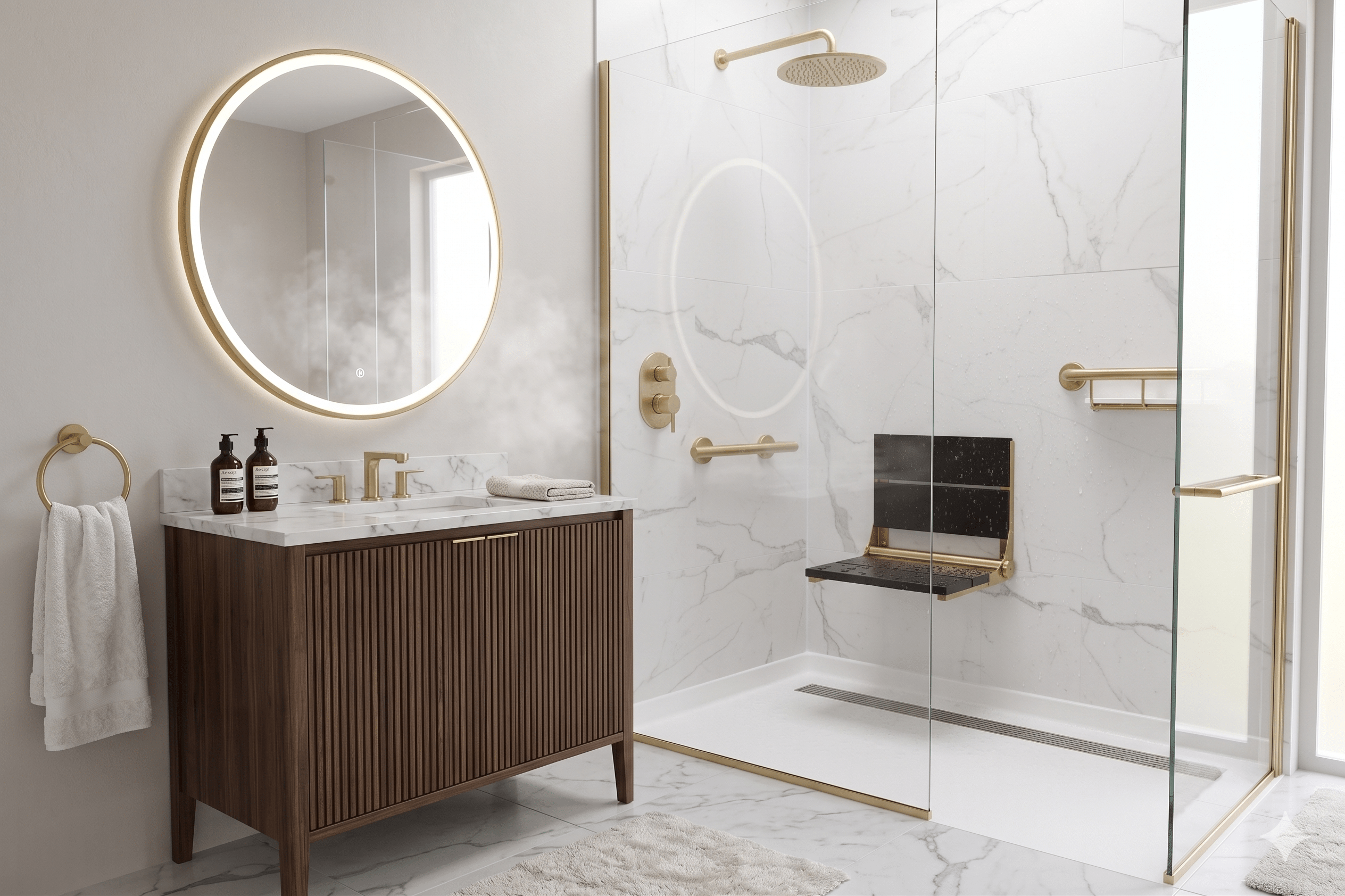
When it comes to aging in place safely, the bathroom presents the greatest risk—and the greatest opportunity. According to the CDC, over 230,000 older adults are treated in emergency rooms annually for injuries sustained in the bathroom, making bathroom modifications one of the most critical investments families can make for their loved ones’ safety and independence.
As a family caregiver, you want your aging parents to maintain their dignity and autonomy while staying safe at home. The good news? Modern bathroom accessibility solutions have evolved far beyond institutional-looking grab bars. Today’s barrier-free bathroom designs seamlessly blend safety, functionality, and spa-like aesthetics, making them something anyone would be proud to have in their home.
Understanding the Risks: Why Bathroom Safety Matters
The bathroom’s unique combination of hard surfaces, water, and confined spaces creates a perfect storm for falls and injuries among seniors. The National Institute on Aging reports that falls are the leading cause of both fatal and non-fatal injuries for people aged 65 and older, with bathrooms being one of the most dangerous rooms in the home.
Common bathroom hazards include:
- Slippery, wet surfaces that increase fall risk
- High tub walls that require difficult stepping motions
- Inadequate lighting that obscures hazards
- Lack of support structures for balance assistance
- Poor layout that doesn’t accommodate mobility aids
The financial and emotional toll of a bathroom fall extends far beyond immediate medical costs. According to AARP’s aging in place research, a single fall can trigger a cascade of health complications, loss of confidence, and even premature transition to assisted living—outcomes that proper bathroom modifications can often prevent.
The Five Pillars of Accessible Bathroom Design
Creating a truly safe, aging-friendly bathroom requires attention to five core elements that work together to reduce fall risk while enhancing daily comfort and independence.
1. Zero-Threshold or Low-Threshold Showers
Traditional bathtubs and high-threshold showers require seniors to perform one of the riskiest maneuvers: lifting their leg high while balancing on one foot. Curbless shower installations or low-threshold shower bases eliminate this hazard entirely, allowing easy walk-in or roll-in access.
Benefits of barrier-free showers include:
- Elimination of tripping hazards
- Accommodation for wheelchairs and walkers
- Easier cleaning and maintenance
- Contemporary, spa-like appearance
- Increased home resale value
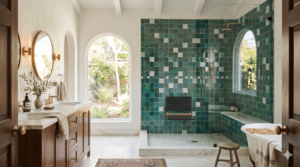
Modern walk-in showers don’t sacrifice style for function. With proper waterproofing and drainage systems, these showers can incorporate beautiful tilework, frameless glass enclosures, and luxury fixtures that rival those in high-end hotel bathrooms.
2. Strategic Grab Bar Placement
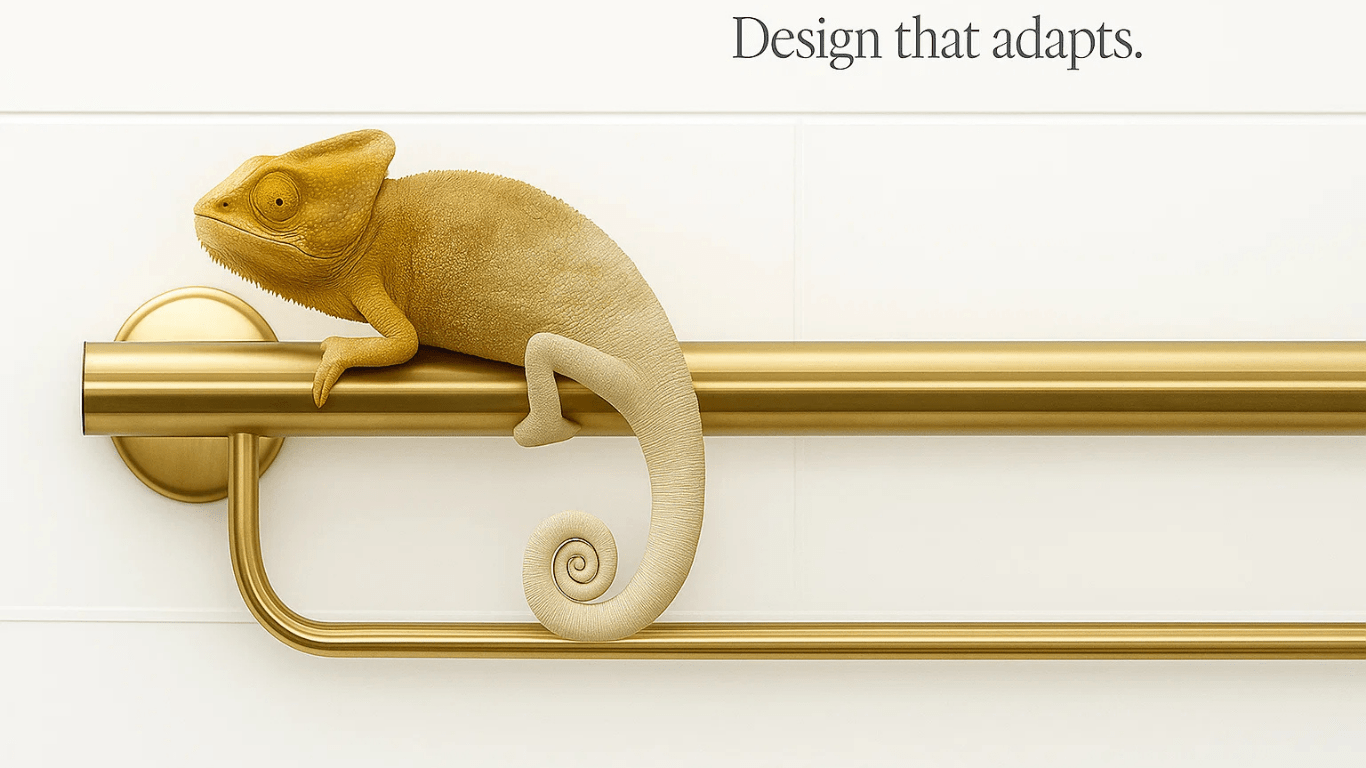
Gone are the days when grab bars looked clinical and institutional. Today’s ADA-compliant grab bars come in designer finishes—brushed Gold, oil-rubbed bronze, polished chrome, and matte black—that coordinate with existing fixtures while providing crucial support.
Critical grab bar locations include:
- Inside the shower (both horizontal and vertical bars for multiple gripping positions)
- Next to the toilet (on at least one side, ideally both)
- Near the bathtub (if retaining a tub)
- Entry and exit points for additional stability
Proper installation is essential—grab bars must be secured to wall studs or use specialized blocking to support 500+ pounds of force. This is not a DIY project; professional installation ensures safety and compliance with ADA accessibility standards.
3. Non-Slip Flooring Solutions
Wet bathroom floors are inherently dangerous, but the right flooring can dramatically reduce the risk of slips. Look for materials with high slip-resistance ratings (COF of 0.6 or higher when wet) while maintaining an attractive appearance.
Excellent options include:
- Textured porcelain or ceramic tile with smaller grout lines for better traction
- Luxury vinyl plank (LVP) with textured surfaces
- Non-slip epoxy coatings for existing floors
- Textured natural stone with appropriate sealants
Additionally, roll-in shower pans with slip-resistant surfaces provide stability where it’s needed most. High-quality anti-slip shower floors integrate seamlessly with the surrounding tilework, maintaining design cohesion throughout the space.
4. Comfort-Height Toilets and Safety Fixtures
Standard toilets sit just 15 inches from the floor, requiring significant leg strength to stand from a seated position. Comfort-height or ADA-compliant toilets sit at 17-19 inches, reducing strain on knees and hips while making transfers easier for seniors with mobility challenges.
Enhanced toilet safety features include:
- Bidet functionality for improved hygiene and reduced reaching
- Slow-close seats to prevent slamming and pinched fingers
- Wall-mounted designs that eliminate floor-level cleaning obstacles
- Integrated nightlights for safe nighttime us
5. Enhanced Lighting and Visibility
Poor lighting contributes to countless bathroom accidents, yet it’s one of the easiest safety factors to address. Seniors often require 2-3 times as much light as younger adults to see clearly, making robust lighting essential.
Effective bathroom lighting strategies:
- Layered lighting combining ambient, task, and accent sources
- Motion-activated lights for automatic nighttime illumination
- LED strips under vanities and along baseboards to define edges
- Dimmer switches for adjustable brightness
- High-CRI bulbs that render colors accurately, making hazards more visible
Additional Accessibility Features Worth Considering
Beyond the five core pillars, several other modifications can enhance bathroom safety and usability:
Adjustable-Height Showerheads and Hand Showers: Wall-mounted sliding bars let users position the showerhead at their preferred height, while handheld options offer flexibility for seated showering.
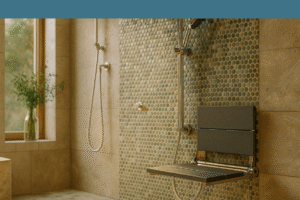
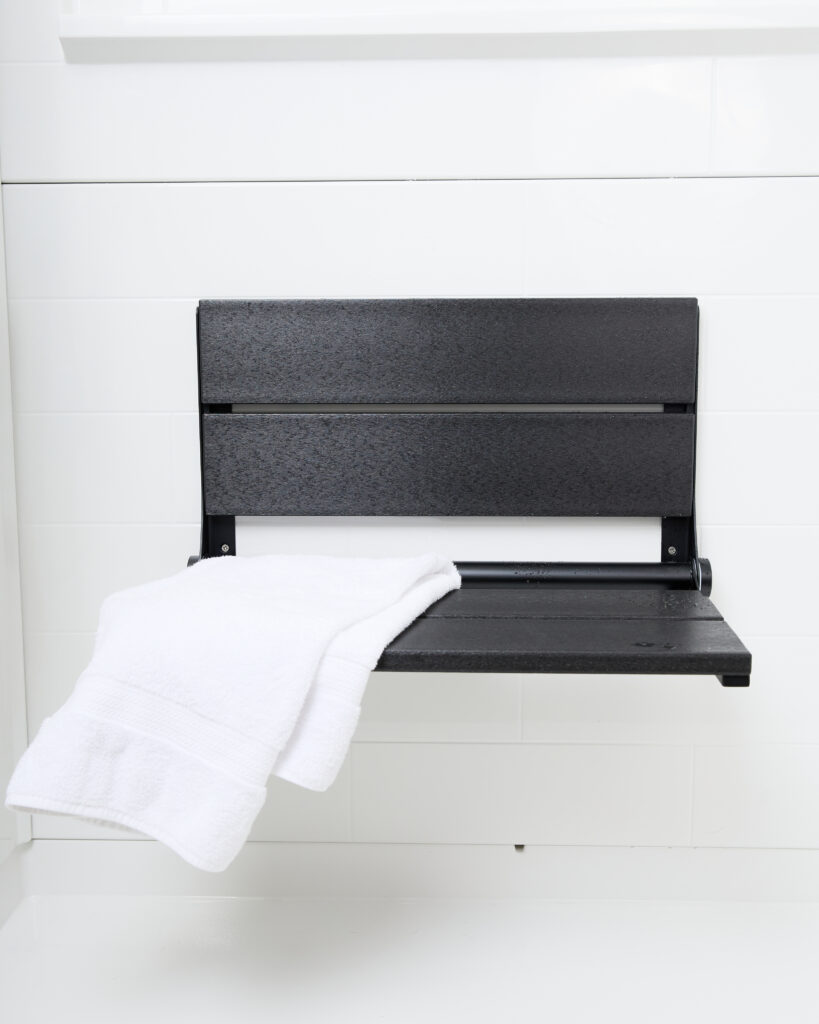
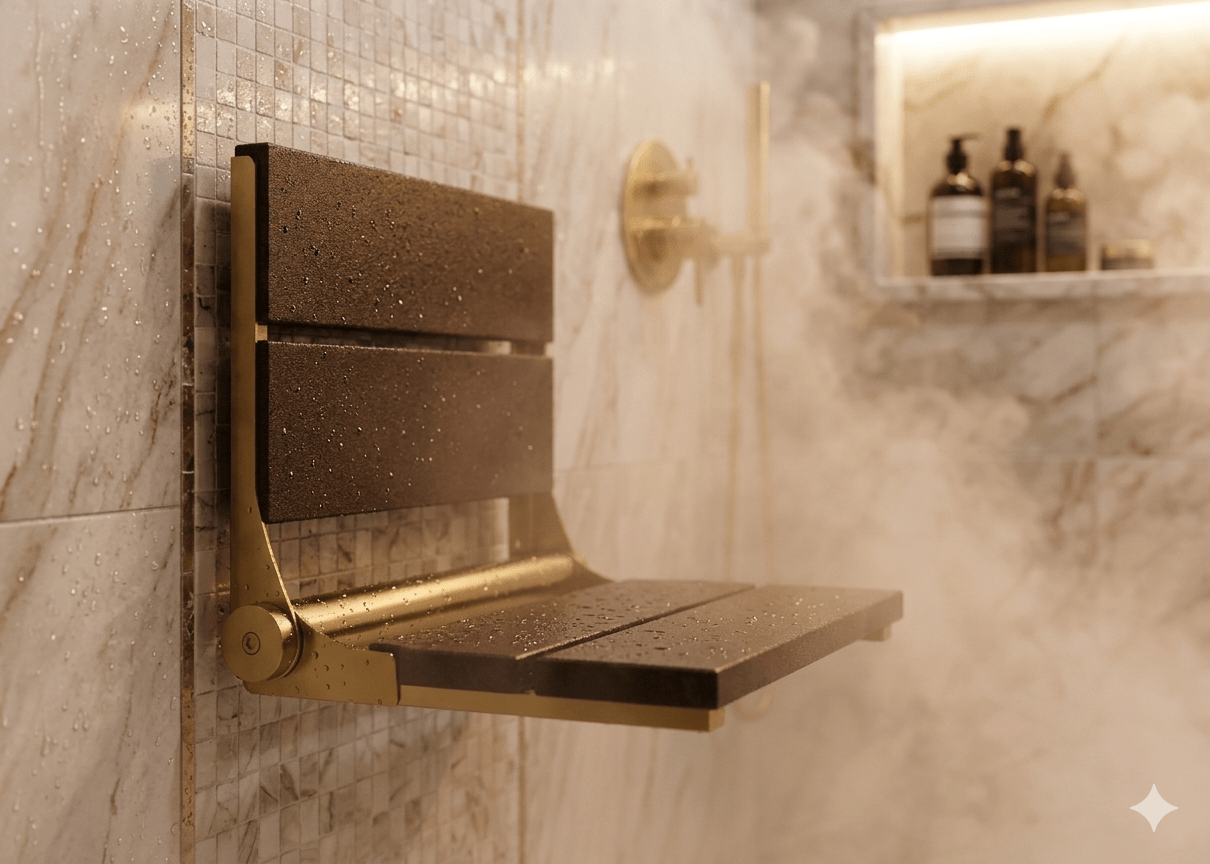
Built-In Shower Seating: Transfer benches, fold-down seats, or permanent tiled benches allow for safe seated showering, reducing fatigue and fall risk during longer grooming routines.
Lever-Style Faucet Handles: These require less grip strength and dexterity than traditional knobs, making them easier for people with arthritis to operate.
Accessible Storage: Lowered medicine cabinets, pull-out drawers, and organized storage systems reduce dangerous reaching and bending.
Temperature Controls: Anti-scald valves and thermostatic mixing valves prevent burns from sudden temperature fluctuations—particularly important as aging skin becomes more sensitive and reaction times slow.
Planning Your Bathroom Accessibility Project
Transforming an existing bathroom into a safe, accessible space requires careful planning and the right professional partners. Here’s how to approach your project:
Working with Qualified Professionals
Bathroom accessibility modifications involve complex considerations—waterproofing, structural support, plumbing reconfiguration, and electrical work. This is why aging-in-place renovations should always involve experienced contractors, designers, and suppliers who understand both accessibility requirements and building codes.
Look for professionals with:
- CAPS certification (Certified Aging-in-Place Specialist)
- Experience with accessible design and universal design principles
- Knowledge of local building codes and ADA guidelines
- Relationships with quality product suppliers specializing in accessibility solutions
- Portfolio of completed aging-in-place projects
Budgeting for Accessibility
Bathroom modification costs vary widely based on project scope, but typical investments range from hundreds to thousands of dollars for basic grab bar and toilet installations, and possibly tens of thousands for complete accessible bathroom remodels with curbless showers and custom features.
Consider these factors when budgeting:
- Quality materials last longer and perform better, reducing long-term costs
- Professional installation ensures safety and code compliance
- Some modifications may qualify for medical expense tax deductions
- Increasing home value and avoiding assisted living costs provide long-term ROI
Financing Options
Several programs can help offset accessibility modification costs:
- Veterans’ benefits through the VA’s Specially Adapted Housing grants
- Medicaid waiver programs in some states
- Home equity loans or lines of credit for homeowners
- Reverse mortgages that include renovation provisions
- Nonprofit assistance programs focused on aging in place
The Emotional Side: Approaching the Conversation
For many seniors, bathroom modifications can feel like an admission of decline. Approach this sensitive conversation with empathy:
- Focus on independence, not limitations: “These changes will help you stay in your home longer.”
- Emphasize universal design: “These features make the bathroom easier for everyone to use.”
- Highlight aesthetics: Modern accessible bathrooms are beautiful, not institutional.
- Involve them in decisions: Let your parent choose finishes, fixtures, and design elements.
- Start with small changes: Sometimes a few grab bars pave the way for larger projects.
Creating a Home That Grows With You
The bathroom modifications you make today aren’t just about preventing falls—they’re about preserving independence, dignity, and quality of life. A well-designed accessible bathroom allows seniors to maintain their daily routines with confidence, reducing anxiety and supporting the aging-in-place journey.
At Health at Home, we understand that every family’s situation is unique. Since 2009, we’ve partnered with contractors, remodelers, architects, and designers to provide high-quality bath modification products that create barrier-free, aging-in-place, and spa-inspired spaces. With over 75 years of combined experience in plumbing fixtures and bath accessibility, we bring deep industry knowledge and personalized service to every project.
Whether you’re planning a complete bathroom remodel or starting with essential safety features, investing in bathroom accessibility is an investment in your loved one’s future—allowing them to age gracefully in the home they love, surrounded by the memories and independence that make life meaningful.
Ready to explore bathroom accessibility solutions for your aging parent? Contact Health at Home today to discuss your project with our experienced team. We’ll help you create a safe, beautiful bathroom that supports independence and enhances quality of life for years to come.
Keywords: aging in place bathroom, bathroom safety for seniors, accessible bathroom design, barrier-free shower, walk-in shower, grab bars, ADA compliant bathroom, senior bathroom modifications, aging parent bathroom safety, bathroom accessibility solutions